

Trabajo con imágenes como una forma de autoría, no como contenido.
Con más de dos décadas en comunicación visual, mi trabajo ocurre donde se cruzan la dirección de imagen, la dirección de arte y el pensamiento curatorial. Entiendo la imagen no como algo visual aislado, sino como un lenguaje: un sistema capaz de construir sentido, presencia y relato en contextos culturales, comerciales y de autor.
Mi formación en producción publicitaria, comunicación política y estudios curatoriales me permite integrar estrategia, estética y estructura conceptual en una práctica visual coherente.
HUMAN LAYER
“Estas voces no definen el trabajo. Informan la manera en que el trabajo se cuestiona, se estructura y se sostiene.”
Marco Samaniego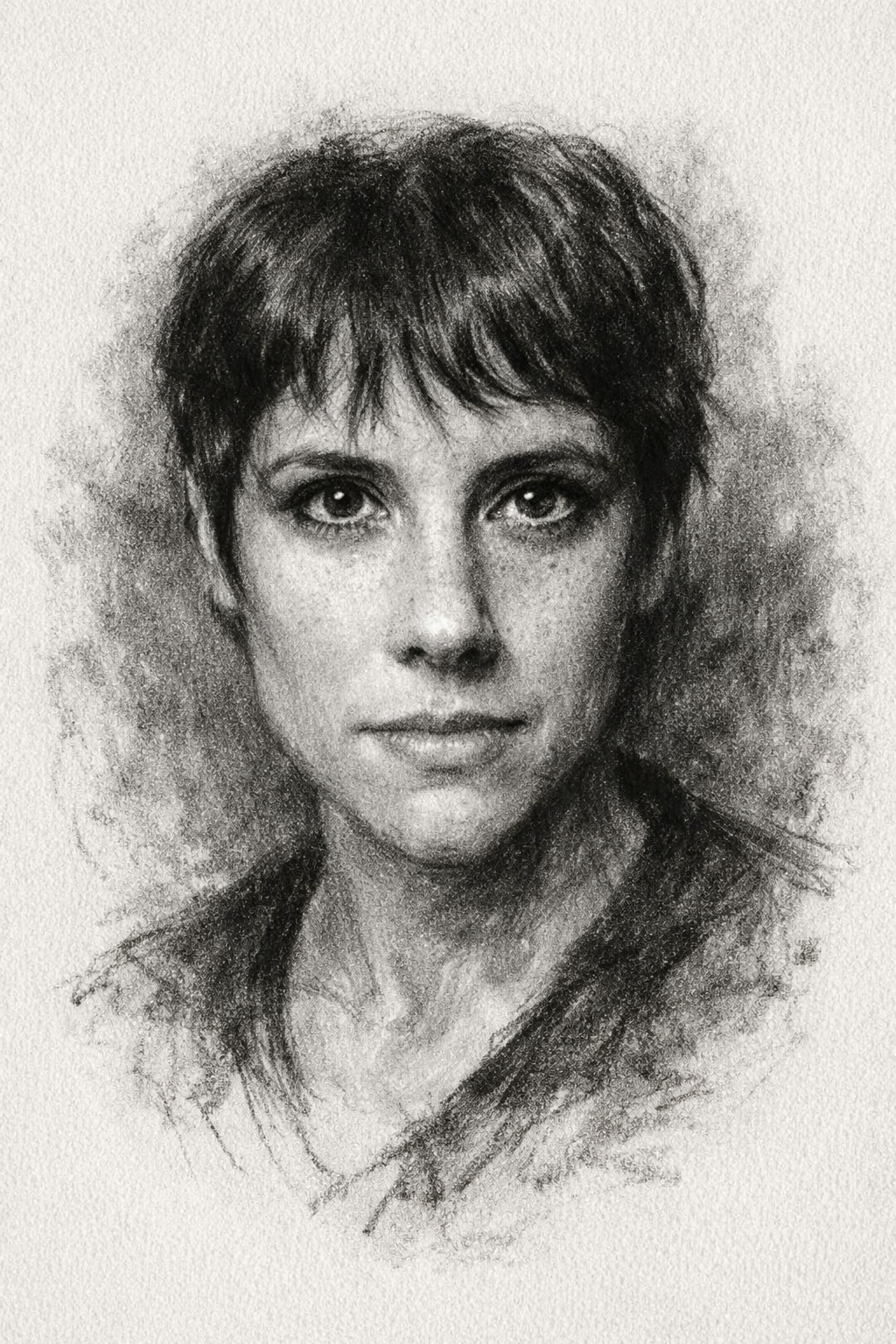
Natalia Taffarel
Editora de fotografía · Retocadora · Educadora visual
Natalia Taffarel fue decisiva para que entendiera la edición de imagen como un acto de autoría. Con su enseñanza comprendí la posproducción no como una fase correctiva o decorativa, sino como una extensión conceptual de la imagen.
Su experiencia con herramientas y flujos profesionales (incluidos los procesos con Wacom) reforzó una forma de editar disciplinada, precisa e intencional, en la que cada decisión tiene sentido y responsabilidad.
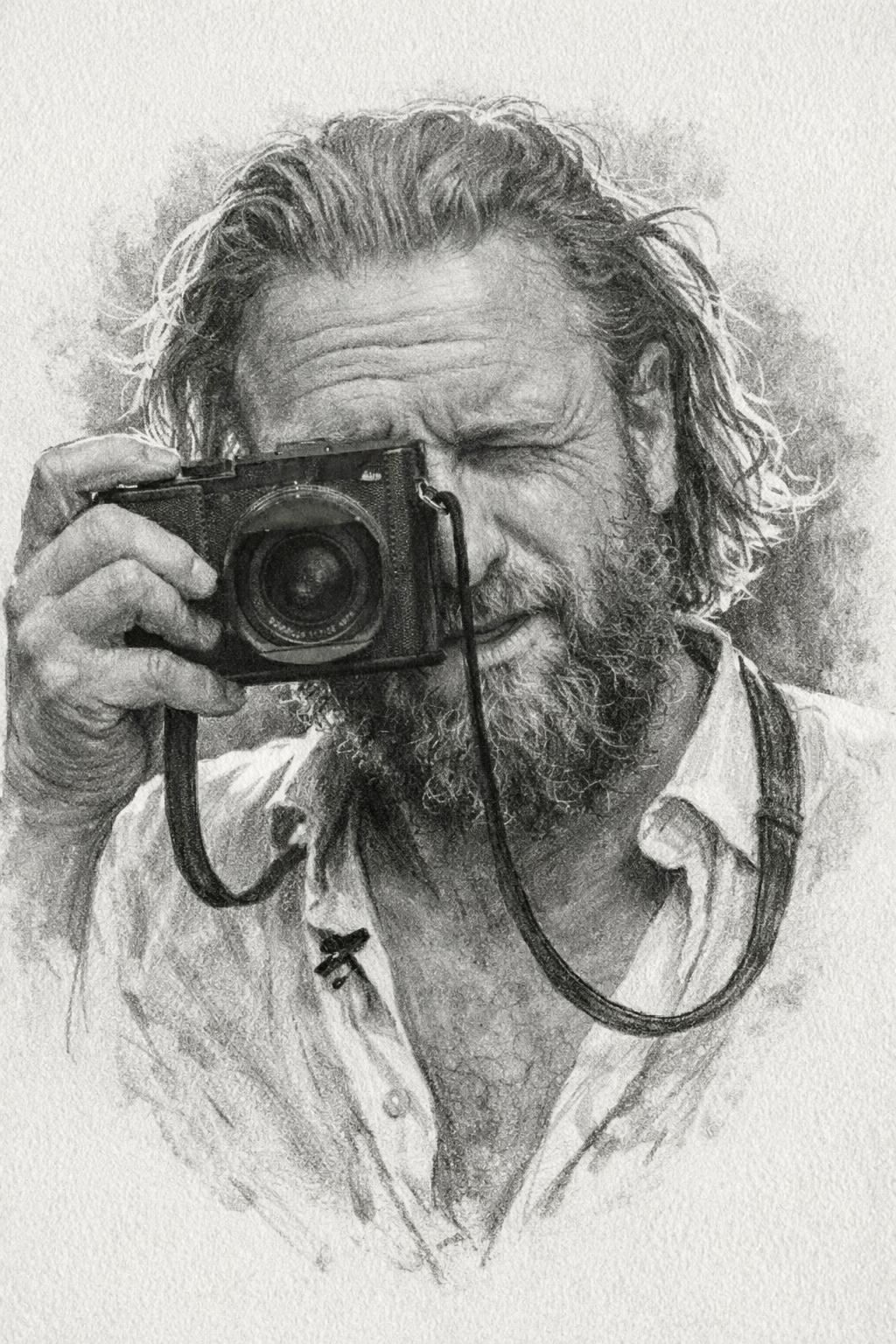
Greg Williams
Fotógrafo · Cine y fotografía fija
Greg Williams es una referencia clave en la relación entre el cine y la imagen fija. Su obra muestra que la fotografía puede existir junto al cine no como registro, sino como un lenguaje visual autónomo, con su propio ritmo, intimidad y peso narrativo.
Esta influencia es central en mi interés por la foto fija en contextos cinematográficos y en acercarme al retrato desde la presencia y no desde la actuación.
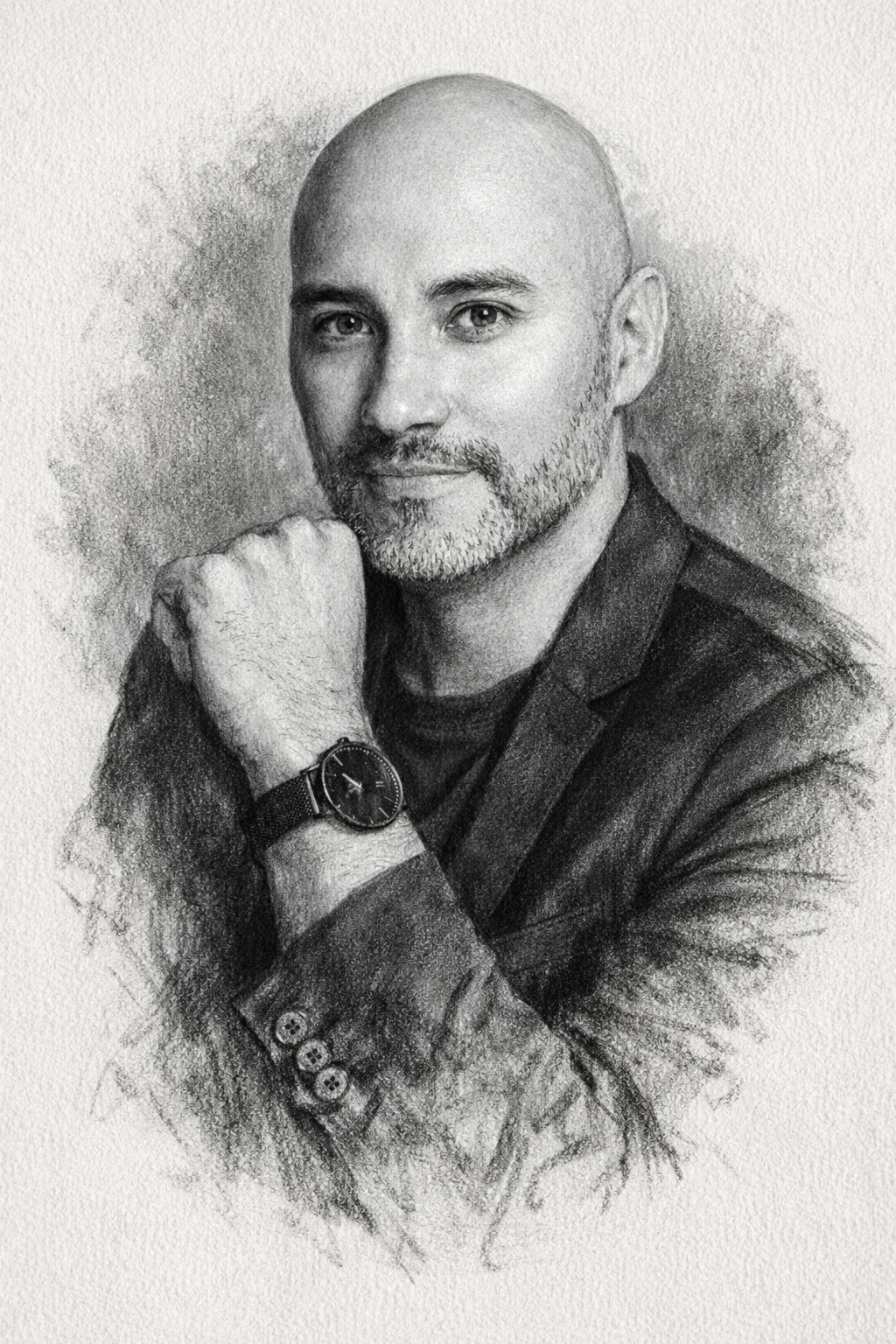
Enrique Vega
Fotógrafo · Educador · Referencia profesional
Enrique Vega representa un punto de quiebre en mi trayectoria. Su obra y su presencia fueron fundamentales para reconectarme con el método, la estructura y la visión de largo plazo en una nueva etapa de mi práctica.
Más que inspiración, su influencia reafirmó la importancia de volver a un sistema, donde la constancia, el rigor y la autoría importan más que el impulso o la visibilidad.
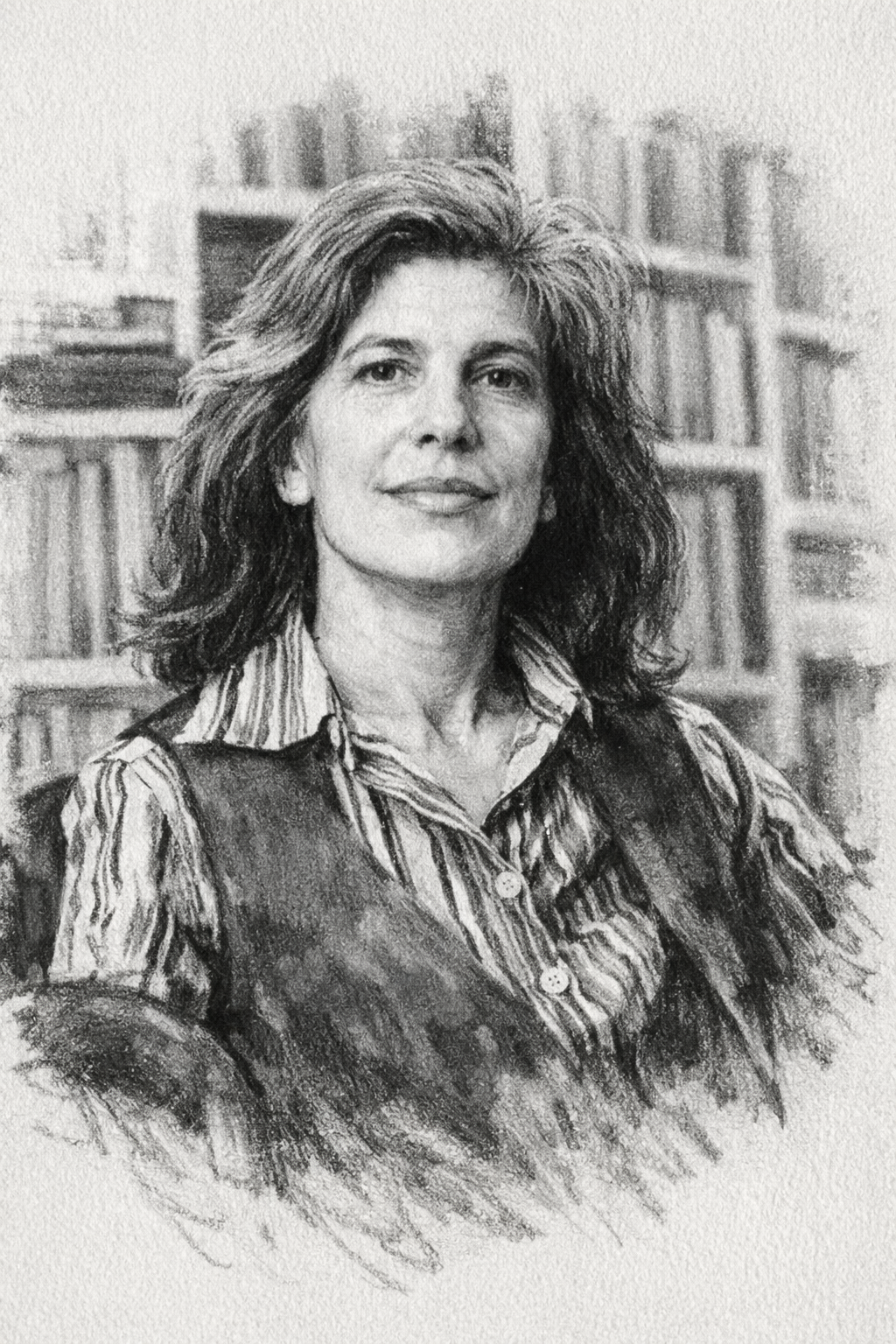
Susan Sontag
Escritora · Crítica cultural
Susan Sontag es esencial para entender la imagen como un acto cultural y ético, no como un objeto neutral. Su pensamiento plantea la fotografía como algo que moldea la percepción, la memoria y el poder, y obliga a quien hace imágenes a reconocer su responsabilidad.
Su obra sostiene mi negativa a tratar las imágenes como contenido desechable y refuerza la idea de que cada imagen participa en una conversación cultural más amplia.
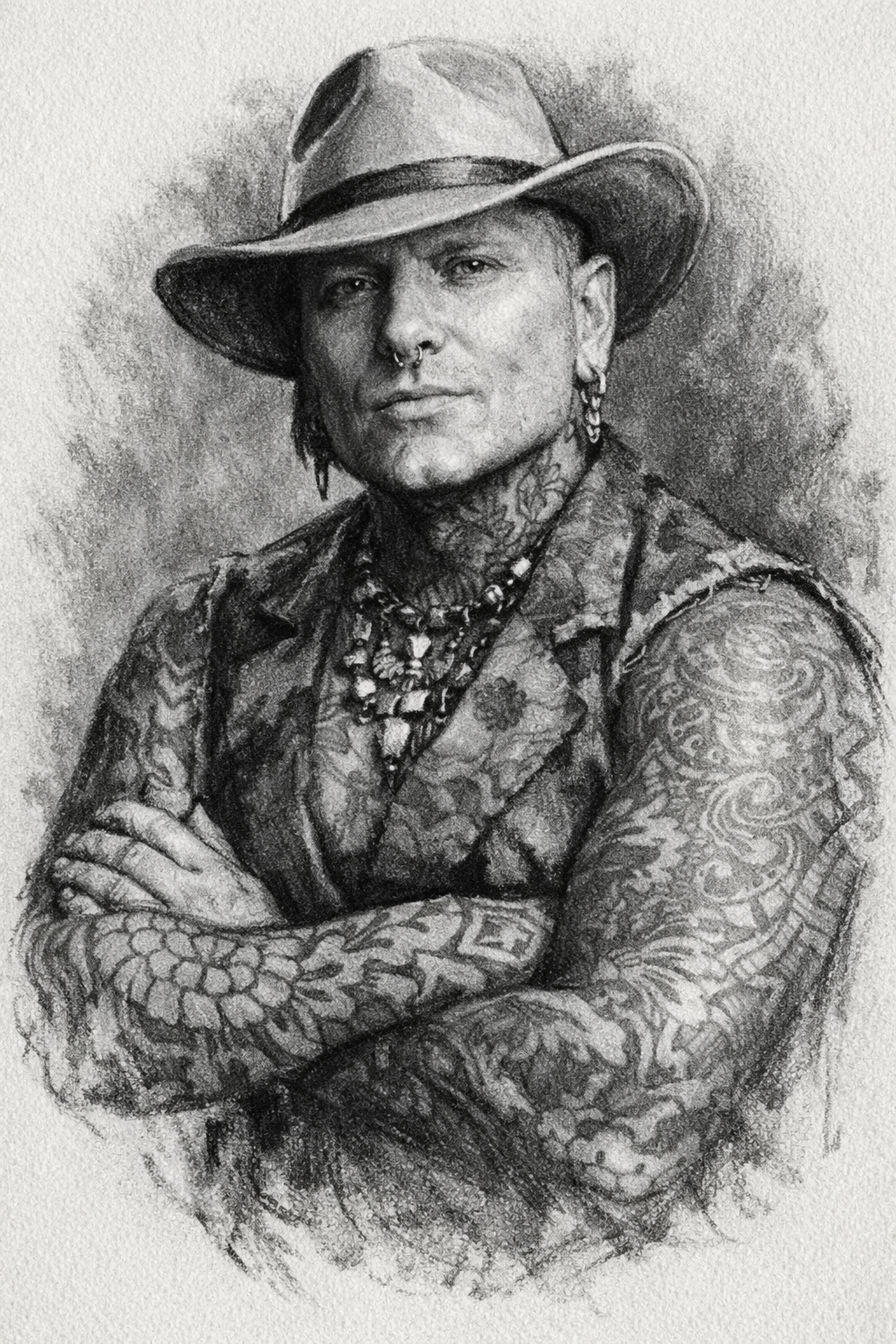
Johnny Edwards
Fotógrafo · Educador internacional
Johnny Edwards ocupa un lugar único en mi práctica: fue la primera figura internacional que inauguró mi estudio con un taller. Ese momento estableció el estudio no solo como un espacio de producción, sino como un lugar de intercambio, aprendizaje y transmisión.
Su manera de entender la fotografía, basada en la claridad, la intención y la disciplina profesional, sigue siendo una referencia de cómo se comparte y se encarna el conocimiento.
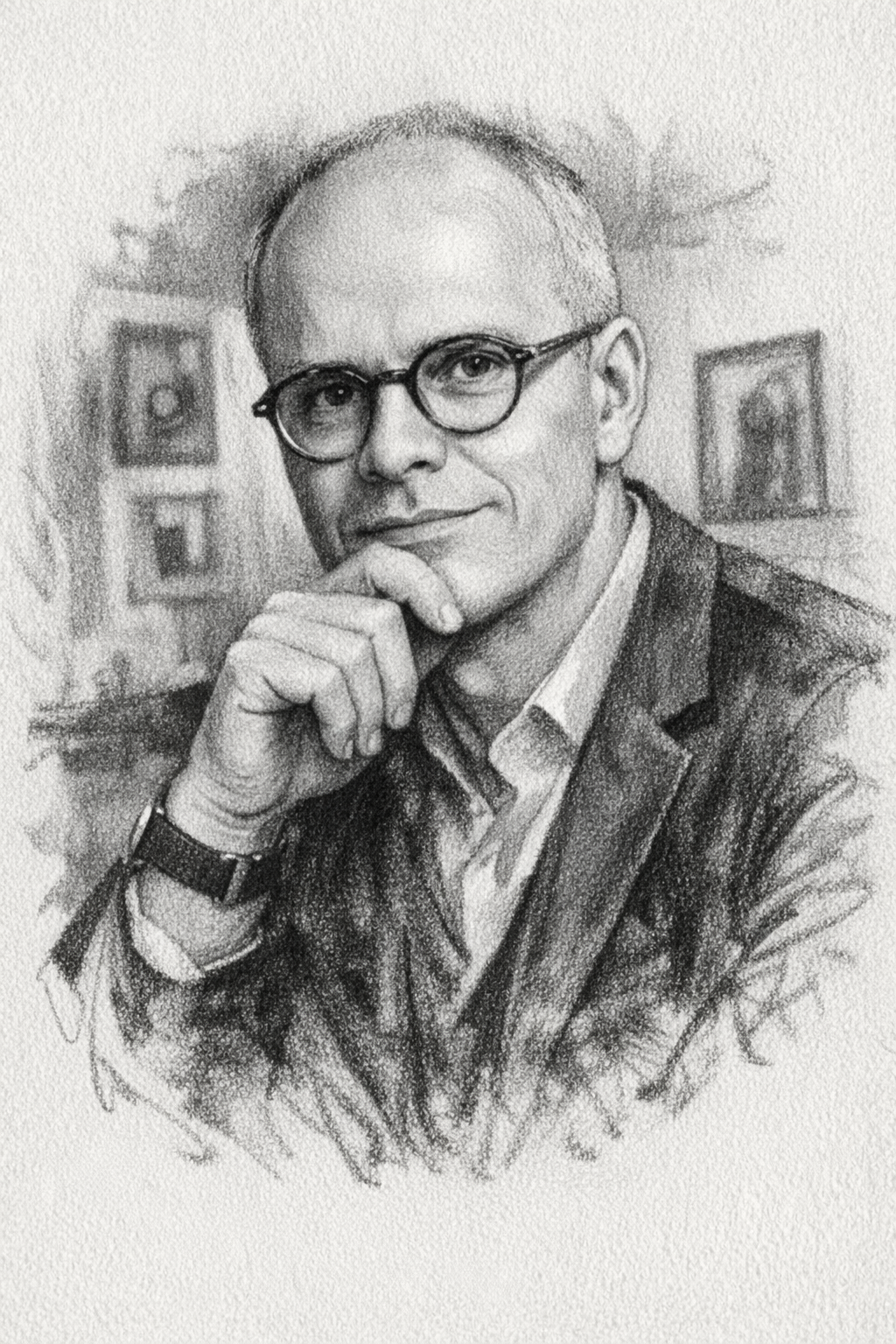
Hans Ulrich Obrist
Curador · Pensador cultural
Hans Ulrich Obrist encarna la idea de la curaduría como una práctica viva y no como una disciplina estática. Su trabajo pone el acento en la conversación, el proceso y la continuidad, principios que marcan mi forma de entender la curaduría como método de trabajo.
Desde esta mirada, las imágenes no solo se seleccionan o se exhiben: se articulan, se ordenan y se activan dentro de una estructura narrativa más amplia.